

Blog


2026-08-26 18:12:04
Modern vehicle interiors increasingly rely on digital displays for navigation, entertainment, vehicle information, and driver assistance. Behind these screens are precision-manufactured structural components that protect electronic systems while maintaining the appearance and dimensional accuracy required for vehicle interiors. CNC Machining is one of the manufacturing processes used to produce these components, including display back covers, rear casings, bottom housings, and display back shells.
For automotive component manufacturers, the challenge is not simply producing a housing that fits a screen. The component may also need accurate mounting features, consistent wall thickness, precise openings, smooth surfaces, and reliable dimensional stability. This makes CNC Machining a suitable solution for many display-related components.
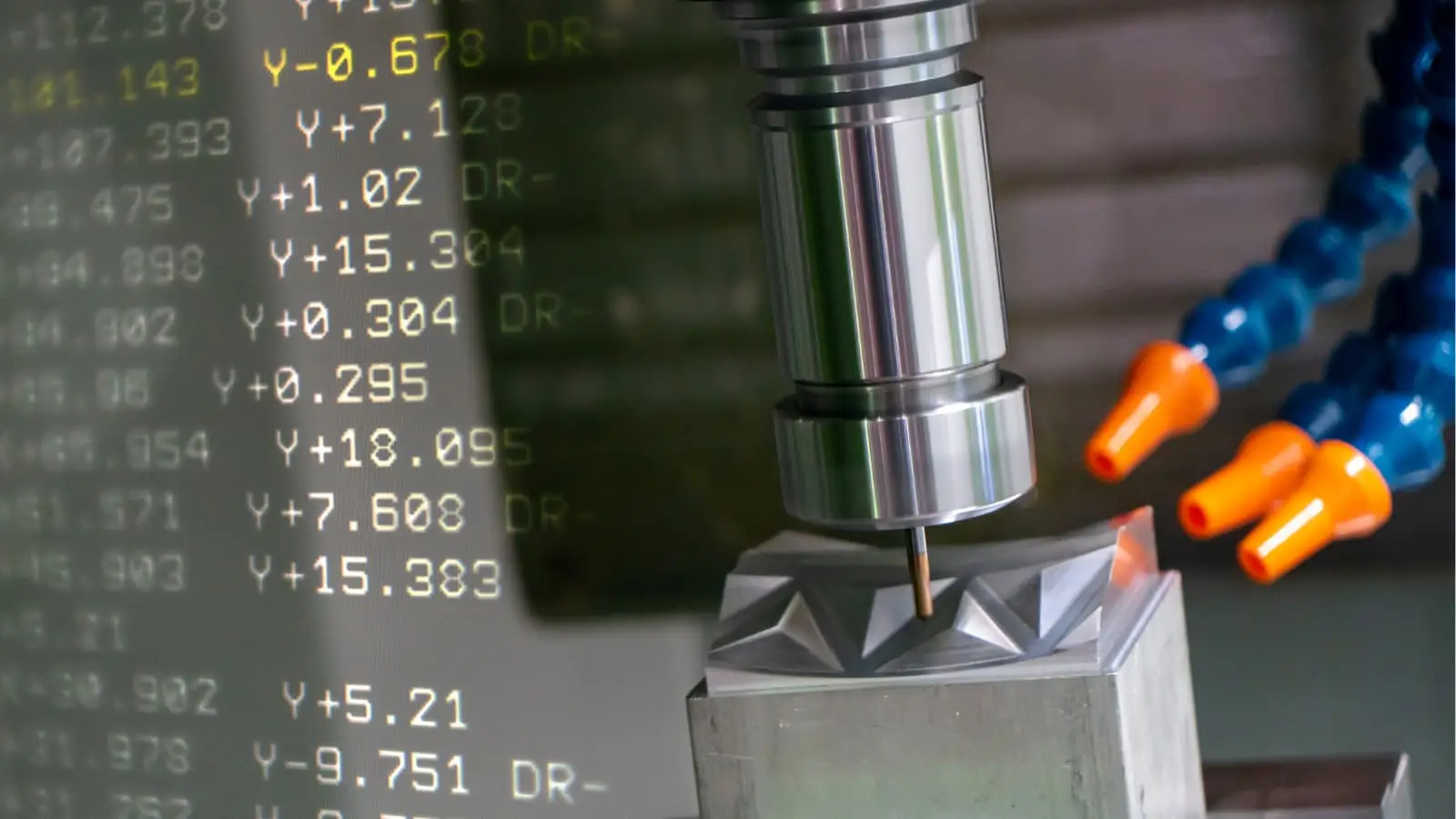
Automotive display components often contain multiple mounting points, openings, ribs, pockets, and other structural features. These details need to align correctly with the display module and surrounding dashboard structure.
CNC machining can produce these features directly from a digital CAD model while maintaining repeatable dimensions across production batches. It is particularly useful when a component requires a combination of milled surfaces, drilled holes, pockets, slots, and other precision features.
For projects requiring complex geometries, CNC Milling can provide flexible machining capabilities, while more advanced multi-axis equipment can reduce the number of setups required for complicated components.
An Automotive Display Back Cover is designed to provide structural protection and support for electronic display assemblies. Depending on the vehicle design, the back cover may need to accommodate mounting points, connectors, ventilation features, cable routing, and other internal components.
Precision machining allows manufacturers to control these features according to the customer's drawings and engineering requirements.
Typical machining features may include:
Mounting holes and threaded holes
Precision pockets
Connector openings
Locating features
Recessed surfaces
Structural ribs
Assembly interfaces
The combination of these features makes CNC machining useful when a display back cover requires more than a simple molded enclosure.
A Rear Cover for In-Vehicle Display needs to fit accurately with the display module and surrounding interior components. Dimensional consistency is particularly important when multiple components must be assembled together during vehicle production.
CNC machining can be used to create precise interfaces and mounting features while allowing engineers to modify the design during development. This flexibility is valuable for new vehicle programs where display dimensions and internal electronic layouts may change during the engineering process.
For low-volume development or engineering validation, Prototyping Machining can also provide functional samples before larger-scale production begins.
The rear casing of a dashboard screen is more than a protective cover. It can form part of the overall mechanical structure that supports the display module and connects it to the vehicle dashboard.
A Dashboard Screen Rear Casing may require carefully positioned holes, mounting bosses, recessed areas, and other features to ensure correct assembly. CNC machining makes it possible to manufacture these details directly from engineering drawings or 3D CAD data.
For manufacturers developing customized dashboard displays, machining also provides flexibility when different vehicle models require variations in component geometry.
Modern infotainment systems often combine a display with electronic control boards, connectors, brackets, cooling features, and other components. A Car Infotainment Display Back Panel therefore needs to provide both structural support and accurate assembly interfaces.
Machining processes can produce openings and mounting features according to the specific electronic architecture of the display assembly. This is particularly useful for customized infotainment systems where standard off-the-shelf housings may not provide the required geometry.
Depending on the design and production requirements, manufacturers can combine CNC machining with other manufacturing processes to achieve the desired balance between precision, production volume, appearance, and cost.
A Display Bottom Casing can provide additional structural support at the lower section of an automotive display assembly. It may contain mounting interfaces, cable-routing features, positioning structures, and connections to other interior components.
Because these components often have several functional surfaces, manufacturers need to consider workholding, machining access, tool selection, and dimensional control during production.
For more complex designs, 5 Axis CNC Machining can provide additional flexibility by allowing the cutting tool to approach features from different directions. This can reduce repositioning operations and help improve consistency for components with complex surfaces.
A Display Back Shell must balance structural requirements with the available space inside the vehicle display assembly. Engineers may need to integrate mounting points, electronic component clearances, cable paths, and other mechanical features into a relatively compact component.
Before production, several factors should be evaluated:
Material selection
Wall thickness and structural requirements
Mounting and locating features
Machining accessibility
Dimensional tolerances
Surface finish requirements
Assembly interfaces
Early communication between the design team and machining supplier can help identify potential manufacturing challenges before production begins.
The appropriate machining method depends on the geometry and technical requirements of the component. Conventional CNC milling can be suitable for parts with accessible features and relatively straightforward orientations.
For components with multiple angled surfaces, deep features, or complex geometries, 5 Axis CNC Machining may provide greater flexibility. Multi-axis machining can reduce the number of setups required and allow multiple features to be machined with improved positional consistency.
The decision should be based on the actual part geometry rather than simply selecting the most advanced machine available. A well-planned manufacturing process can achieve the required result while keeping production efficient.
Automotive display development often involves multiple design iterations. A prototype may be used to verify dimensions, mounting positions, assembly relationships, and the fit between the display housing and surrounding dashboard components.
Prototyping Machining provides a practical way to produce functional parts from CAD data before committing to larger production quantities.
After the design has been validated, the manufacturing process can be optimized for repeatable production. Machining parameters, tooling, workholding, inspection procedures, and surface treatment can then be established according to the production requirements.
Automotive display components can involve both cosmetic and functional requirements, so choosing an appropriate manufacturing partner is important. Buyers should evaluate whether the supplier has experience with precision components, complex machined housings, prototype development, and production manufacturing.
It is also useful to provide complete engineering information when requesting a quotation, including:
3D CAD files or technical drawings
Material specifications
Dimensional tolerances
Surface finish requirements
Required quantity
Assembly requirements
Expected production schedule
Clear technical information allows the machining supplier to recommend an appropriate manufacturing process and identify potential production issues at an early stage.
Automotive display systems require more than a screen and electronic components. Their mechanical housings and structural parts must provide accurate interfaces, reliable support, and consistent assembly performance.
From an Automotive Display Back Cover and Rear Cover for In-Vehicle Display to a Dashboard Screen Rear Casing, Car Infotainment Display Back Panel, Display Bottom Casing, and Display Back Shell, CNC machining can provide the dimensional control and manufacturing flexibility required for many automotive display applications.
By combining CNC Machining, CNC Milling, Prototyping Machining, and 5 Axis CNC Machining where appropriate, manufacturers can develop and produce customized display components while maintaining control over accuracy, geometry, and production requirements.
[1]: https://www.mingnoncnc.com/news/34/ "What Can You Make with a CNC Milling Machine? - DONGGUAN MINGNON HARDWARE CO.. LTD"