

Blog

2026-07-15 15:43:55
CNC Milling is one of the most widely used manufacturing processes for producing precision components with complex shapes and high dimensional accuracy. By using computer-controlled machines to remove material from a workpiece, CNC milling can create prototypes, custom parts, and production components for various industries.
As a professional CNC Machining manufacturer, MINGNON CNC provides precision CNC milling services for customers worldwide, supporting projects from prototype development to low-volume and mass production. Understanding how CNC milling works can help engineers and purchasing managers choose the right manufacturing solution for their projects.
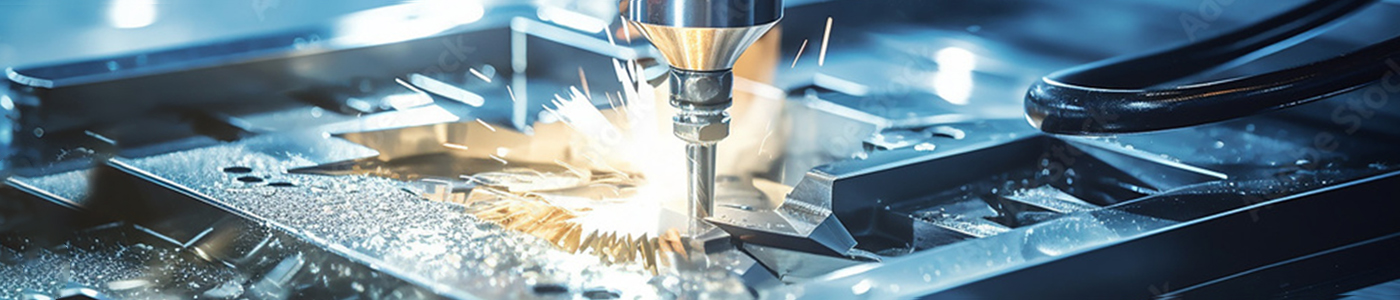
CNC milling (Computer Numerical Control milling) is an automated machining process that uses rotating cutting tools to remove material from a workpiece according to programmed instructions. Unlike traditional manual milling, cnc milling machines are controlled by computer software, allowing manufacturers to achieve higher precision, repeatability, and production efficiency.
During the CNC milling process, engineers first create a 3D CAD model of the part. The design is then converted into machine instructions through CAM software. The CNC milling machine follows these instructions to control the movement of cutting tools along multiple axes, producing the required shape and dimensions.
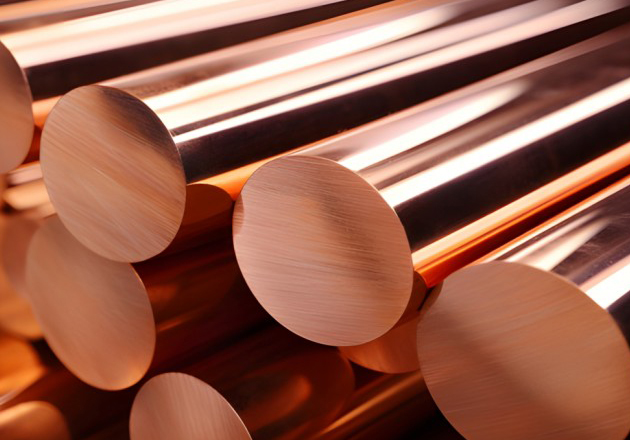
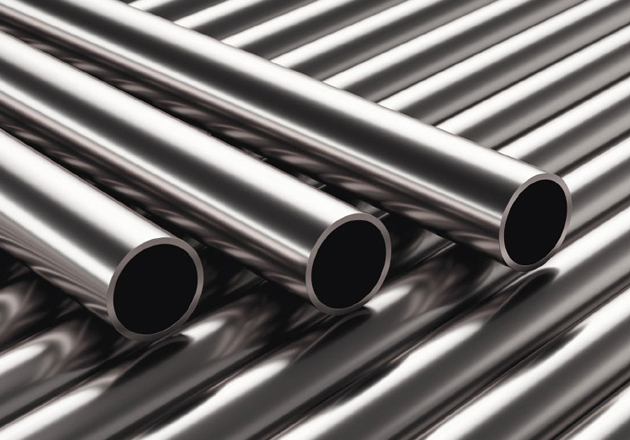
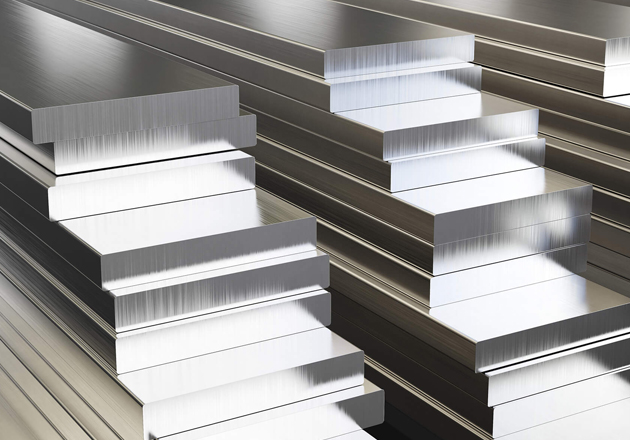
CNC milling is commonly used to manufacture parts made from aluminum, stainless steel, brass, copper, titanium, and engineering plastics. It is widely applied in industries that require high-quality precision components.
The CNC milling process usually includes several important steps:
The manufacturing process starts with a digital design created using CAD software. Engineers analyze the part structure, dimensions, and tolerance requirements before generating CNC programs through CAM software.
Operators install the workpiece, select suitable cutting tools, and configure machine parameters such as cutting speed, feed rate, and tool path.
During machining, rotating cutting tools move along programmed paths to remove unwanted material. CNC milling machines can perform operations including drilling, cutting, slotting, contouring, and surface machining.
After machining, finished parts are inspected to ensure they meet the required specifications. Professional CNC milling manufacturers often use precision inspection equipment such as CMM machines, micrometers, and other measuring tools to maintain consistent quality.
Different CNC milling machines are used depending on part complexity, production requirements, and accuracy needs.
3-axis CNC milling is one of the most common machining methods. The cutting tool moves along the X, Y, and Z axes, making it suitable for many standard components and prototypes.
4-axis CNC milling adds a rotational axis, allowing manufacturers to machine more complex features and reduce the need for multiple setups.
5-axis CNC milling enables simultaneous movement across multiple axes, making it ideal for complex geometries, aerospace components, medical parts, and high-precision applications.
One of the major advantages of CNC milling is its compatibility with a wide range of materials. Common CNC milling materials include:
Aluminum: Lightweight, corrosion-resistant, and widely used for aerospace, electronics, and industrial components.
Stainless Steel: Provides excellent strength, durability, and corrosion resistance for demanding applications.
Brass and Copper: Suitable for electrical components and parts requiring good conductivity.
Titanium: Offers high strength-to-weight ratio for aerospace and medical applications.
Engineering Plastics: Used for lightweight components, prototypes, and special applications.
Compared with traditional machining methods, CNC milling provides several important advantages:
CNC milling machines can achieve tight tolerances and produce identical parts consistently, making them suitable for industries requiring strict quality standards.
Advanced CNC milling equipment can produce complicated geometries, curved surfaces, and detailed features that are difficult to achieve with conventional machining.
Computer-controlled operation reduces manual errors and improves production efficiency, especially for repeated manufacturing projects.
CNC milling is suitable for various production volumes, including rapid prototypes, small-batch production, and large-scale manufacturing.
| Feature | CNC Milling | CNC Turning |
|---|---|---|
| Movement | Rotating cutting tools move around the workpiece | The workpiece rotates while cutting tools remove material |
| Suitable Parts | Complex shapes, flat surfaces, slots, pockets | Cylindrical parts such as shafts and bushings |
| Applications | Housings, brackets, molds, precision components | Rotating components and symmetrical parts |
CNC milling is widely used across different industries due to its flexibility and precision.
Aerospace: Aircraft components and lightweight precision parts.
Automotive: Engine parts, brackets, and customized components.
Medical: Surgical tools and medical equipment parts.
Electronics: Housings, connectors, and heat dissipation components.
Industrial Equipment: Machine parts and custom mechanical components.
Selecting the right CNC milling supplier is essential for ensuring product quality, delivery reliability, and cost efficiency. Before choosing a manufacturer, consider the following factors:
Machining capabilities and equipment
Experience with similar projects
Material and surface finishing options
Quality inspection procedures
Engineering support and communication
Production capacity and delivery time
A professional CNC milling manufacturer should provide complete manufacturing support, from design optimization and prototype machining to final production.
MINGNON CNC provides one-stop CNC Machining solutions, including precision CNC milling, CNC turning, 5-axis machining, surface finishing, and custom part manufacturing.
With experienced engineers, advanced CNC equipment, and strict quality control processes, MINGNON CNC helps global customers transform designs into reliable precision components. Whether you need rapid prototypes, low-volume production, or customized CNC parts, our team can provide professional manufacturing support.
CNC milling is an essential manufacturing technology that enables the production of accurate, complex, and high-quality components. From prototypes to mass production, CNC milling provides excellent flexibility, efficiency, and precision for modern industries.
Choosing an experienced CNC milling manufacturer ensures better quality control, shorter lead times, and reliable production results. If you are looking for professional CNC milling services, MINGNON CNC can provide customized solutions based on your project requirements.
CNC milling is used to manufacture precision parts, prototypes, mechanical components, housings, molds, and industrial equipment parts.
The accuracy of CNC milling depends on machine capability, material, design complexity, and tolerance requirements. Professional CNC milling services can achieve very high precision for demanding applications.
Yes. CNC milling is widely used for prototype machining because it provides fast production, excellent accuracy, and allows engineers to test designs before mass production.