

Blog


2026-05-23 11:30:06
In modern precision manufacturing, surface quality is just as important as machining accuracy. For industries such as aerospace, automotive, medical devices, and electronics, even a minor surface defect can affect performance, corrosion resistance, and product lifespan. This is why advanced CNC surface treatment technologies have become a critical part of the production chain.
MINGNON CNC provides a full range of CNC Machining and finishing solutions, integrating precision manufacturing with professional surface processing. After CNC Milling or turning, parts often undergo secondary treatment to enhance durability and appearance. Common processes include anodizing, polishing, sandblasting, electroplating, powder coating, and laser engraving.
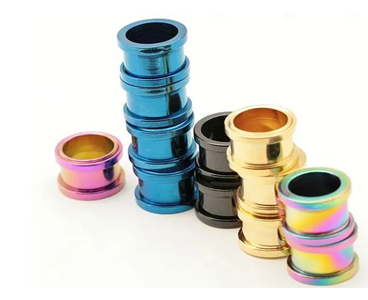
Among these methods, anodizing aluminum parts is one of the most widely used techniques. It forms a protective oxide layer on aluminum surfaces, significantly improving corrosion resistance and wear resistance while also allowing decorative coloring. This process is especially important for components used in outdoor or high-moisture environments.
Another key method is sandblasting, which is used to create a uniform matte texture and remove machining marks. It improves coating adhesion and prepares the surface for further finishing processes. Similarly, polishing is used when a mirror-like appearance or ultra-smooth surface is required, especially in high-end consumer and medical applications.
The CNC Machining finishing process is not only about aesthetics but also about function. A well-controlled surface reduces friction, improves assembly fit, and enhances fatigue resistance. In precision industries, surface roughness can directly influence the mechanical performance of components, making finishing a critical step after machining.
Modern manufacturers like MINGNON CNC combine advanced equipment with strict quality control systems to ensure consistent results. With ISO-certified production lines and high-precision machining capabilities, they can maintain tight tolerances while offering customized finishing solutions based on client requirements.
In addition, metal surface finishing services are often tailored according to material type. Aluminum, stainless steel, titanium, and engineered plastics each require different treatment strategies. For example, stainless steel is often polished or electroplated for corrosion protection, while titanium alloys may undergo specialized anodizing to improve both strength and biocompatibility.