

Blog

2026-07-10 16:42:33
Why Are My CNC Parts Corroding? How to Choose the Right Material
Corrosion is one of the most common reasons CNC machined parts fail earlier than expected. Many engineers assume corrosion is caused by poor machining quality, but in reality, the root cause is often incorrect material selection or an unsuitable surface treatment.
If your CNC parts develop rust, oxidation, discoloration, or surface damage after only a few months of use, choosing the right material can significantly improve product reliability while reducing maintenance and replacement costs.
In this guide, we'll explain why CNC parts corrode, common material selection mistakes, and how to choose the best material for different working environments.
Corrosion happens when a material reacts with moisture, oxygen, chemicals, or salt in its operating environment. Even high-quality machined parts can fail if the material isn't suitable for the application.
The most common causes include:
Using the wrong material for the operating environment
High humidity or outdoor exposure
Saltwater or coastal conditions
Acidic or alkaline chemicals
Galvanic corrosion caused by different metals in contact
Missing or unsuitable surface treatment
Before replacing your supplier, it's worth asking whether the material itself is the real problem.
Aluminum is lightweight, easy to machine, and cost-effective, making it one of the most popular CNC Machining materials. However, untreated aluminum may develop oxidation when exposed to moisture or harsh outdoor environments.
For outdoor equipment, electronic enclosures, and automotive components, anodizing greatly improves corrosion resistance and extends service life.
Many buyers assume all stainless steel offers the same corrosion resistance. In reality, 304 stainless steel performs well in general industrial environments but is less suitable for coastal or marine conditions.
For saltwater exposure, 316 stainless steel provides significantly better resistance due to its higher molybdenum content.
If CNC parts operate in laboratories, chemical processing equipment, or medical devices, even stainless steel may not provide sufficient protection.
Engineering plastics such as PEEK, PTFE, or PVDF often deliver better chemical resistance while reducing weight.
Material selection and surface finishing work together. Choosing the right material without proper finishing may still lead to premature corrosion.
Common protective finishes include:
Anodizing for aluminum
Passivation for stainless steel
Electroless nickel plating
Zinc plating
Powder coating
Hard anodizing for wear resistance
| Application | Recommended Material | Main Advantage |
|---|---|---|
| Indoor Equipment | Aluminum 6061 | Lightweight, economical, excellent machinability |
| Outdoor Equipment | Anodized Aluminum 6061 or 7075 | Improved corrosion resistance |
| Marine Environment | Stainless Steel 316 | Excellent resistance to saltwater corrosion |
| Medical Devices | 316L Stainless Steel | High cleanliness and corrosion resistance |
| Chemical Equipment | PEEK or PTFE | Outstanding chemical resistance |
| Aerospace Components | 7075 Aluminum | High strength with reduced weight |
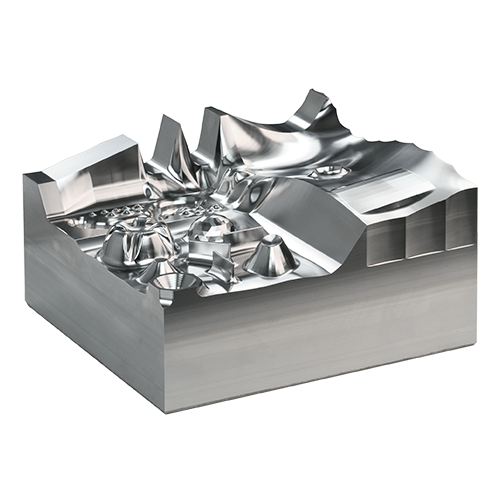
Material: S136 Steel
Dimension: 200x200x100mm
Machining properties:
1. Surface roughness Ra≤0.15μm ;
2. Curved surface profile accuracy ±0.015mm.
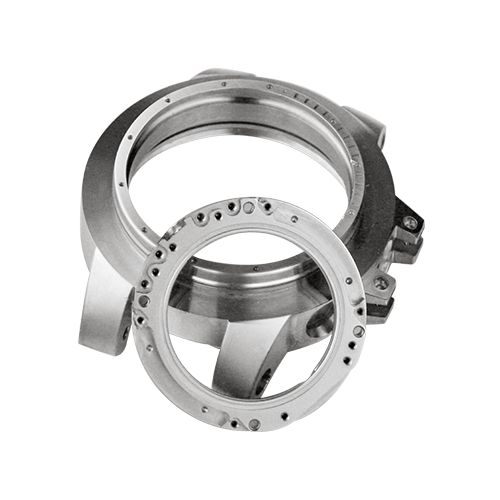
Material: titanium Ti-6A-4V
Dimension: 49x55x12mm
Machining properties:
1. Minimum cutting tool R0.15mm, small spindle vibration, improves cutting tool fatigue life;
2. Good machining consistency, high smoothness.
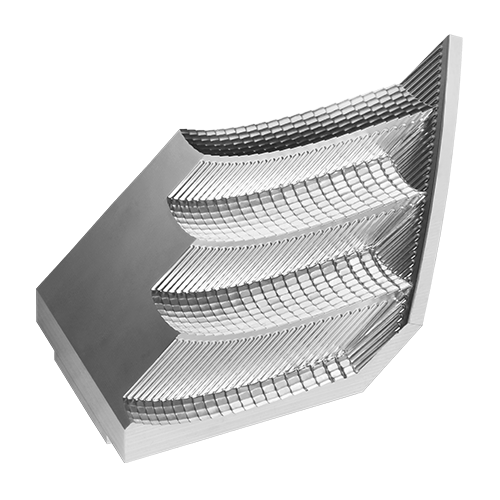
Material: 7075 Aluminum
Dimension: 106x50x53mm
Machining properties:
1. High smoothness, clear cross line of the curved surface, no burr, good machining consistency;
2. Surface roughness Ra≤0.08μm.
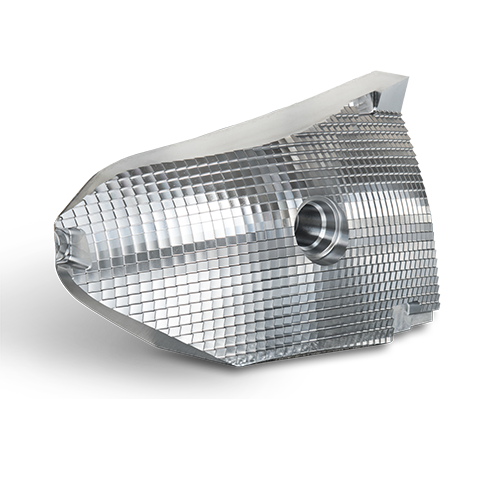
Material: mold steel
Dimension: 200x100 mm
Machining properties:
1. Tool mark is even and the corner is clear ;
2. Surface roughness Ra≤0.08μm.
There is no universal answer because every project has different requirements.
Choose aluminum if you need:
Lower weight
Lower machining cost
Fast production
Good thermal conductivity
Choose stainless steel if you need:
Superior corrosion resistance
Higher strength
Better wear resistance
Long-term outdoor durability
Rather than asking which material is better, engineers should ask which material performs best in the intended operating environment.
In many cases, yes—but only if the correct base material has already been selected.
For example, anodizing can dramatically improve aluminum's corrosion resistance, while passivation enhances the protective oxide layer on stainless steel. However, no surface treatment can completely compensate for choosing the wrong material in extremely aggressive environments.
The most reliable solution combines appropriate material selection with suitable finishing processes.
Experienced CNC manufacturers do more than simply machine parts according to drawings. They also help customers avoid expensive design and material selection mistakes before production begins.
A professional engineering team can:
Recommend materials based on the operating environment
Suggest cost-effective alternatives without sacrificing performance
Recommend suitable surface finishing processes
Evaluate corrosion risks during design review
Optimize manufacturability while reducing production costs
Early engineering support often prevents failures that would otherwise appear after products enter the market.
If your CNC parts are corroding, the problem may not be the machining process—it may be the material selection.
Understanding where and how your parts will be used is the first step toward choosing the right material. Whether your project requires lightweight aluminum, corrosion-resistant stainless steel, or high-performance engineering plastics, selecting the appropriate material can improve product reliability, reduce maintenance costs, and extend service life.
At MINGNON, we work closely with customers during the quotation stage to recommend the most suitable material and finishing solution based on real operating conditions. If you're unsure which material is right for your next cnc machining project, our engineering team is ready to review your drawings and provide practical recommendations before production begins.