

Blog


2026-06-04 13:57:41
When developing a new product, selecting the right manufacturing process is one of the most important decisions engineers and purchasing managers must make. Two of the most widely used methods for producing metal components are CNC Machining and Die casting. While both processes can create high-quality parts, they serve different production needs and offer distinct advantages.
Understanding the differences between CNC Machining and die casting can help manufacturers reduce costs, improve product quality, and shorten development cycles.
CNC machining is a subtractive manufacturing process that removes material from a solid block of metal or plastic using computer-controlled cutting tools. The process can produce highly accurate parts with tight tolerances and excellent surface finishes.
CNC machining is commonly used for:
Prototype development
Custom metal parts
Aerospace components
Medical device parts
Precision mechanical components
Low- to medium-volume production
Because no molds are required, CNC machining offers exceptional flexibility for design modifications and rapid product development.
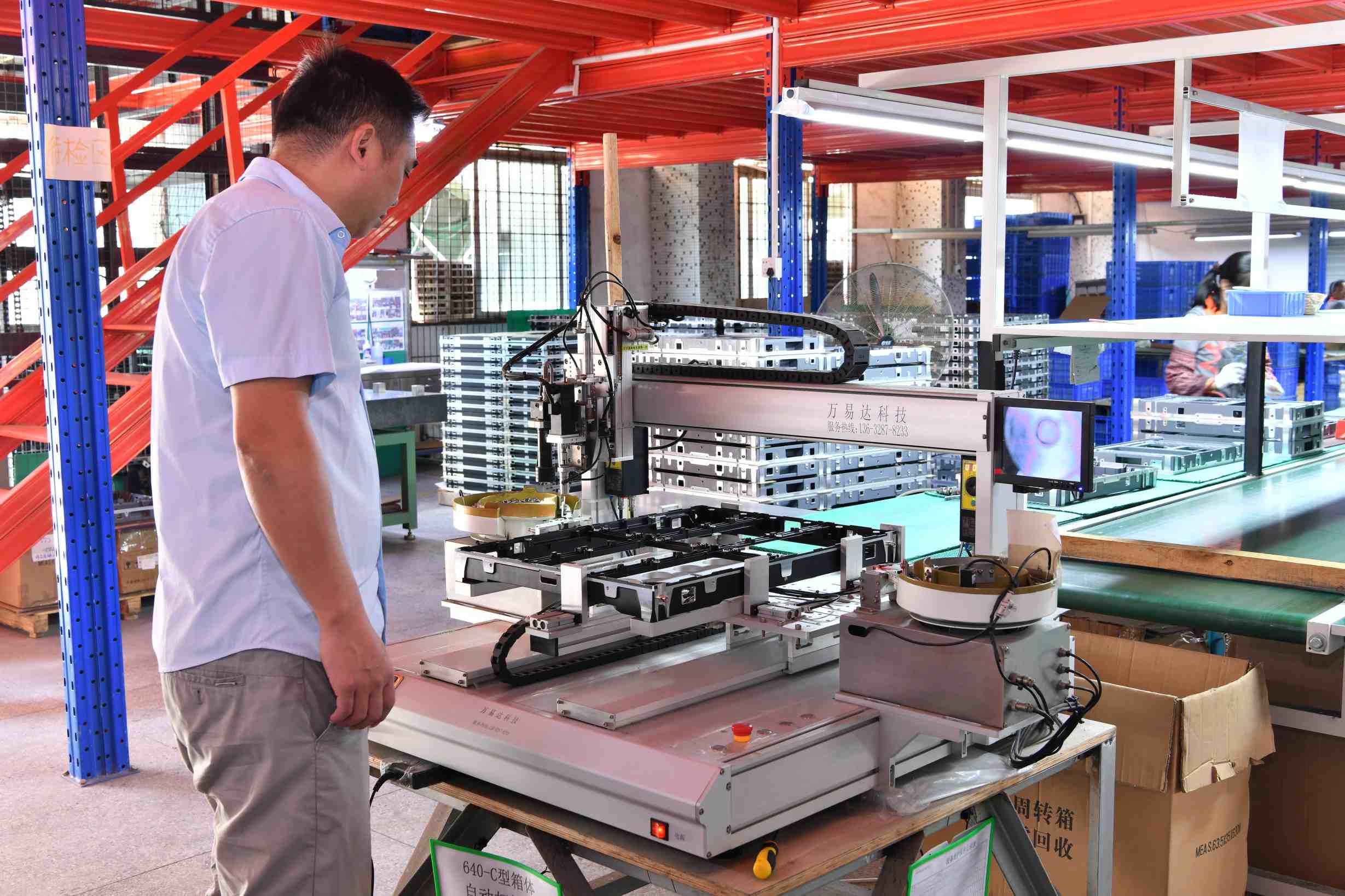
Die casting is a manufacturing process that injects molten metal into a hardened steel mold under high pressure. Once cooled, the part is ejected from the mold and may undergo secondary finishing operations.
Die casting is widely used for:
Automotive housings
Electronic enclosures
Consumer products
Lighting components
Large-volume production runs
The process is particularly effective for producing complex shapes in high quantities at a low per-unit cost.
| Feature | CNC Machining | Die Casting |
|---|---|---|
| Tooling Cost | Very Low | High Initial Mold Cost |
| Production Volume | Low to Medium | Medium to High |
| Design Flexibility | Excellent | Limited After Mold Production |
| Dimensional Accuracy | Very High | Good |
| Lead Time | Fast | Longer Mold Development Time |
| Prototype Production | Ideal | Not Cost Effective |
| Material Waste | Moderate | Low |
| Surface Finish | Excellent | Good |
| Complex Internal Features | Excellent | Limited |
Many buyers assume die casting is always cheaper than CNC machining. However, this is not always true.
For prototype projects and low-volume production, CNC machining is often the more economical choice because there are no mold expenses. Parts can move directly from CAD design to manufacturing, significantly reducing development costs and lead times.
Die casting becomes cost-effective when production volumes increase. Although mold development requires a substantial upfront investment, the cost per part decreases dramatically as production quantities grow.
For example, producing a few hundred aluminum components may be less expensive with CNC machining, while manufacturing tens of thousands of identical parts often favors die casting.
When precision is critical, CNC machining generally offers superior results. Modern machining centers can achieve extremely tight tolerances and maintain consistent dimensional accuracy across production runs.
Industries such as aerospace, robotics, industrial automation, and medical equipment frequently choose CNC machining because component performance depends on exact specifications.
Die casting can achieve excellent consistency for mass production but may require secondary machining operations when critical dimensions must be maintained.
The best manufacturing process depends on project requirements.
Choose CNC machining if:
You need prototypes quickly
Production quantities are low or medium
Design changes are expected
Tight tolerances are required
Parts require high precision
Choose die casting if:
Production volume is very high
Part geometry is stable
Tooling investment can be justified
Low per-unit cost is the primary goal
Both CNC machining and die casting play essential roles in modern manufacturing. CNC machining offers flexibility, precision, and rapid turnaround, making it ideal for prototypes and custom components. Die casting excels in high-volume production where tooling costs can be spread across thousands of parts.
By evaluating production volume, budget, lead time, and quality requirements, manufacturers can select the most effective process for their applications and achieve the best balance between cost and performance.