

Blog


2026-05-30 11:59:34
Surface treatment is a vital process for CNC machined components. It not only optimizes the exterior appearance of metal parts, but also greatly enhances corrosion resistance, wear resistance, surface hardness and overall service performance. Different surface finishing processes come with distinct characteristics, dimensional influence, cost and applicable scenarios. For procurement engineers and manufacturing partners, distinguishing the differences between various technologies is the key to selecting a proper solution. This article systematically introduces mainstream surface treatment methods for CNC parts and makes detailed comparisons for your reference.
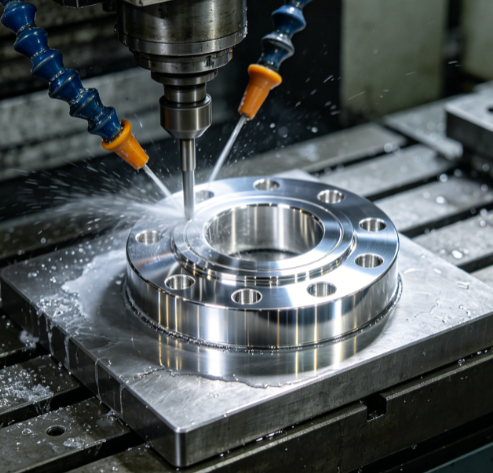
Anodizing is an electrochemical treatment mainly applied to aluminum, titanium and magnesium alloys. It forms a dense oxide film on the metal surface, effectively improving surface hardness, insulation performance and anti-corrosion ability. The porous oxide layer can be dyed into multiple colors and sealed for long-term protection. It is widely used in electronic enclosures, automotive accessories and aerospace precision parts.
Black oxide is a chemical conversion coating for steel and stainless steel. It creates a uniform matte black surface with almost no increase in part thickness, so the original dimensional tolerance can be fully retained. It provides basic rust prevention and anti-reflection effect, featuring low cost and stable performance. It is the preferred process for standard fasteners, hand tools and high-tolerance precision mechanical parts.
Metal brushing uses abrasive tools to form regular linear textures on the surface. It can cover minor machining traces and deliver a delicate industrial texture. This process brings no change to part size, and is commonly used on aluminum and stainless steel workpieces such as household appliance shells, hardware accessories and decorative components.
Chemical polishing relies on chemical solution to remove tiny burrs and uneven points on metal surfaces, achieving smooth and bright effect. It works well for workpieces with complex structures that are hard to process mechanically, and is popular for stainless steel parts, bathroom hardware and small precision components.
Electroplating deposits a layer of metal materials like nickel, zinc and chromium on the substrate by electrolysis. It combines decoration, wear resistance and conductivity together. The coating layer is thin and uniform, suitable for electronic connectors, electrical contacts, auto decorative parts and various standard hardware.
Sandblasting uses high-speed abrasive particles to impact the workpiece surface, removing oxide skin, burrs and stains, and forming a uniform matte texture. It can improve the adhesion of subsequent painting and coating, often used as pre-treatment process, and also applied to mechanical parts that require non-slip and matte appearance.
Mechanical polishing removes surface defects step by step to obtain high-gloss or mirror effect. It optimizes surface smoothness and anti-corrosion performance, and is widely adopted in medical equipment, food machinery and high-grade metal decorative parts.
Traditional liquid painting features rich colors and low cost, suitable for large casings and ordinary structural parts. Powder coating is an environment-friendly electrostatic spraying process. The cured coating has strong toughness, excellent wear resistance and corrosion resistance, ideal for outdoor equipment, metal furniture and heavy-duty mechanical components.
| Treatment Process | Main Materials | Dimensional Impact | Corrosion Resistance | Wear Resistance | Core Application |
|---|---|---|---|---|---|
| Anodizing | Aluminum, Titanium Alloy | Slight change | High | High | Electronics, Automotive, Aerospace |
| Black Oxide | Carbon Steel, Stainless Steel | Nearly no change | Medium | General | Fasteners, Tools, Precision Parts |
| Brushing | Aluminum, Stainless Steel | No change | Medium | General | Shells, Decorative Hardware |
| Chemical Polishing | Stainless Steel, Alloy | Slight change | Medium | General | Complex-shaped Precision Parts |
| Electroplating | Most Metal Materials | Slight change | Medium to High | Medium | Connectors, Contacts, Trim Parts |
| Sandblasting | All Kinds of Metals | Slight change | Low | Medium | Surface Pre-treatment, Matte Parts |
| Powder Coating | All Kinds of Metals | Obvious change | Very High | Very High | Outdoor Equipment, Furniture |
| Painting | Metal, Plastic | Obvious change | Medium | Medium | Large Casings, Structural Parts |
When choosing surface treatment, you need to take multiple factors into consideration. If your parts have strict tolerance requirements, black oxide, brushing and sandblasting are better choices for they barely affect overall dimensions. For components working in humid or outdoor environments with high anti-corrosion demands, anodizing and powder coating are highly recommended. If you focus on appearance and decorative effect, polishing, brushing and colorful anodizing will meet your needs. For mass-produced standard parts pursuing cost performance, black oxide and conventional painting are more economical options.
As a professional CNC Machining manufacturer, we support a full set of surface treatment services. According to your product usage environment, technical requirements and aesthetic standards, we can match the most suitable finishing solution to ensure product quality and long-term stable operation. Welcome to contact us for customized processing solutions.