

Blog


2026-03-31 14:39:25
In modern manufacturing,speed and precision are critical for successful product development.This is where Prototyping Machining plays a vital role.It is a manufacturing approach used to create early-stage physical models of a product,allowing engineers and designers to test functionality,structure,and performance before moving into mass production.
At its core,Prototype Machining refers to the process of producing a Machined Prototype using advanced machining technologies such as CNC Milling,turning,and drilling.Unlike traditional methods,which may require molds or complex tooling,this process allows for direct fabrication from digital designs,significantly reducing development time and cost.
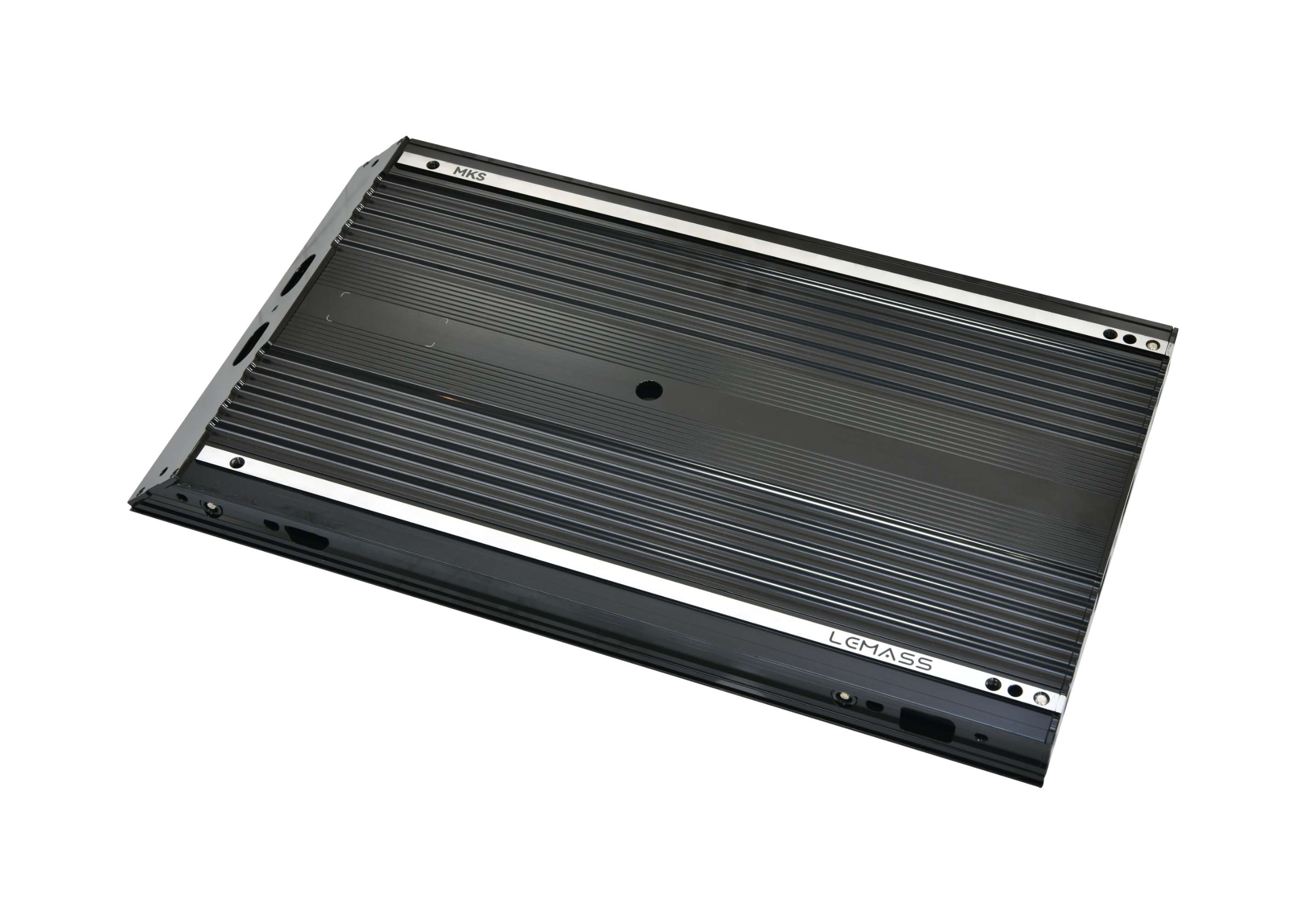
The Prototyping Machining process typically begins with a 3D CAD model.Engineers design the product using specialized software,ensuring that all dimensions,tolerances,and functional requirements are clearly defined.This digital model is then converted into machine-readable instructions,which guide the equipment during the machining process.
Once the design is finalized,a suitable material is selected.Common materials used in Prototype Machining include aluminum,stainless steel,brass,and engineering plastics such as ABS or POM.The choice of material depends on the intended application,whether the goal is visual validation,functional testing,or performance simulation.
The next step involves actual machining.A CNC machine precisely removes material from a solid block,shaping it into the desired form.This subtractive process ensures high accuracy and consistency,making it ideal for producing a reliable Machined Prototype.Compared to additive methods like 3D printing,machining offers superior surface finish,strength,and dimensional stability.
One of the key advantages of Rapid Prototyping Machining is its speed.Manufacturers can produce prototypes within days,enabling faster design iterations.If adjustments are needed,engineers can modify the CAD model and quickly create a new version.This flexibility helps identify potential issues early in the development cycle and reduces the risk of costly errors in later production stages.
Another important benefit is the ability to produce functional prototypes.A Machining Prototype can closely replicate the final product in terms of material properties and mechanical performance.This makes it possible to conduct real-world testing,including stress analysis,fit verification,and assembly checks.
In addition,Prototyping Machining supports both single-piece production and low-volume manufacturing.This is especially valuable for startups and industries such as aerospace,automotive,and medical devices,where precision and customization are essential.
In conclusion,Prototyping Machining is a powerful solution for accelerating product development.By combining digital design with high-precision machining,it enables the efficient creation of accurate and functional prototypes.Whether you are developing a new concept or refining an existing design,Rapid Prototyping Machining provides the flexibility,speed,and reliability needed to bring ideas to life.