

Blog


2026-03-31 14:26:20
Choosing the right material is one of the most important decisions in any CNC Milling project.The performance,durability,cost,and machinability of a component all depend heavily on the material selected.Whether you are developing prototypes or producing large volumes through a professional CNC Milling Service,understanding the best material options will help ensure optimal results.
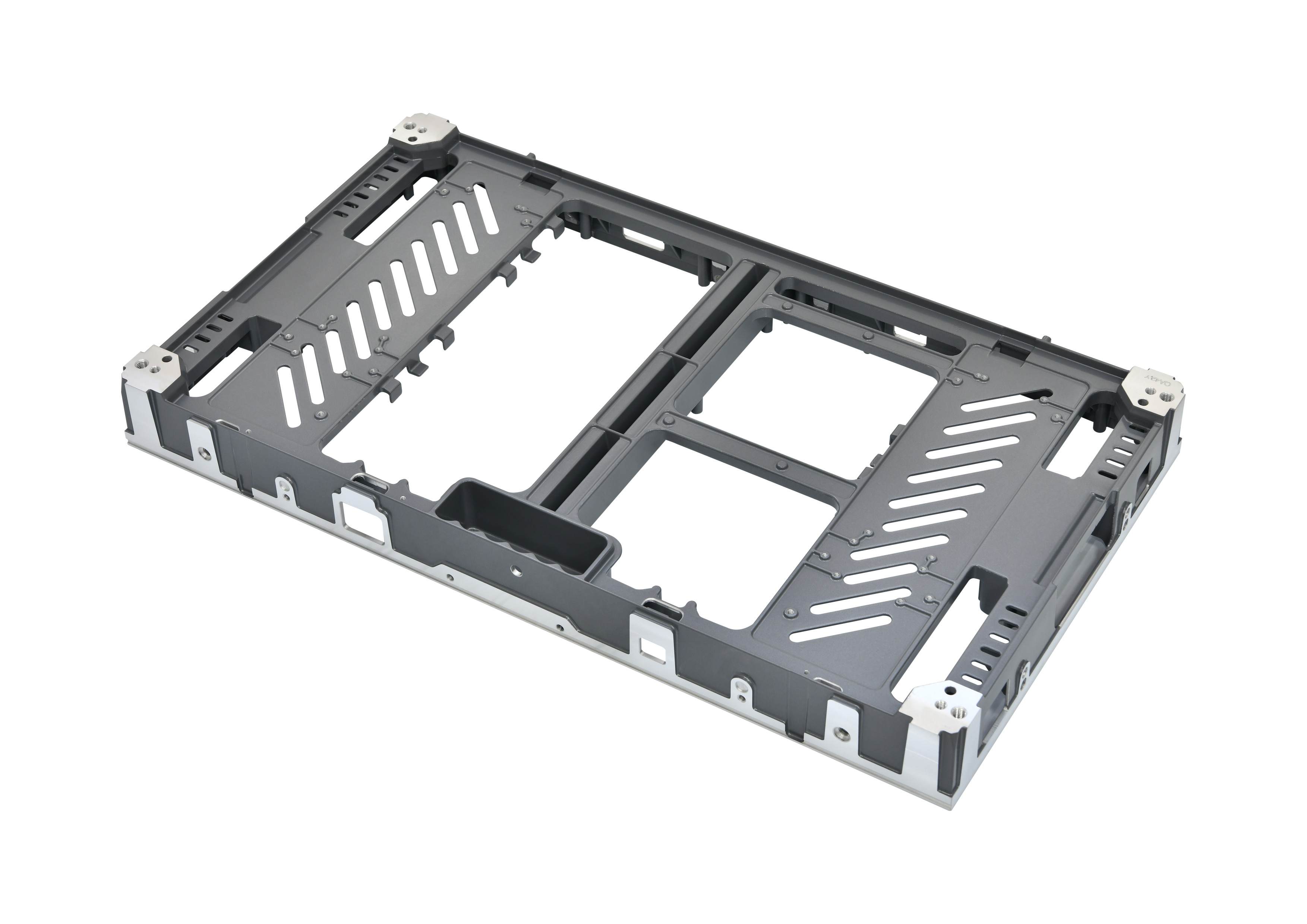
Aluminum is one of the most widely used materials in the CNC Milling Process.It offers an excellent balance of strength,lightweight properties,and corrosion resistance.Aluminum alloys such as 6061 and 7075 are especially popular for CNC Milling Parts in industries like automotive,aerospace,and electronics.Thanks to its good machinability,aluminum allows a CNC Milling Machine to achieve high precision and smooth surface finishes with relatively low production costs.
Stainless steel is another common choice for CNC Milling Parts,particularly in applications requiring strength and resistance to corrosion.Grades like 304 and 316 are frequently used in medical devices,food processing equipment,and industrial machinery.Although stainless steel is harder to machine than aluminum,an advanced CNC Milling Machine combined with a well-controlled CNC Milling Process can deliver highly durable and accurate components.
Brass and copper are ideal materials when electrical conductivity and aesthetic appeal are required.Brass,in particular,is known for its excellent machinability,making it suitable for complex CNC Milling Parts with fine details.These materials are often used in electrical connectors,decorative components,and precision instruments.A reliable CNC Milling Service can ensure consistent quality when working with these softer metals.
Plastic materials are also widely used in the CNC Milling Process,especially for lightweight and cost-sensitive applications.Engineering plastics such as ABS,POM(Delrin),and PEEK provide good mechanical properties,chemical resistance,and design flexibility.Plastics are easier to machine compared to metals,allowing faster production cycles on a CNC Milling Machine.They are commonly used in consumer products,medical components,and electronic housings.
For high-performance applications,titanium is an excellent but more challenging material for CNC Milling.It offers exceptional strength-to-weight ratio and corrosion resistance,making it ideal for aerospace and medical industries.However,due to its hardness and heat resistance,the CNC Milling Process requires specialized tooling and expertise to maintain precision and efficiency.
When selecting materials for CNC Milling Parts,several factors should be considered,including mechanical strength,environmental conditions,weight requirements,and budget.Additionally,design complexity and required tolerances can influence how well a material performs during machining.
In conclusion,the best materials for CNC Milling depend on the specific application and performance requirements.From versatile aluminum and durable stainless steel to conductive brass and advanced plastics,each material offers unique advantages.By partnering with a professional CNC Milling Service and choosing the right material,manufacturers can optimize both quality and cost,ensuring reliable and high-precision results in every project.