

Blog


2025-12-24 10:38:35
CNC Machining has revolutionized modern manufacturing by offering high precision, repeatability, and flexibility. Among the most commonly used CNC processes are CNC Milling and CNC turning. While both are essential for creating precision parts, they differ significantly in operation, machine setup, applications, and capabilities.
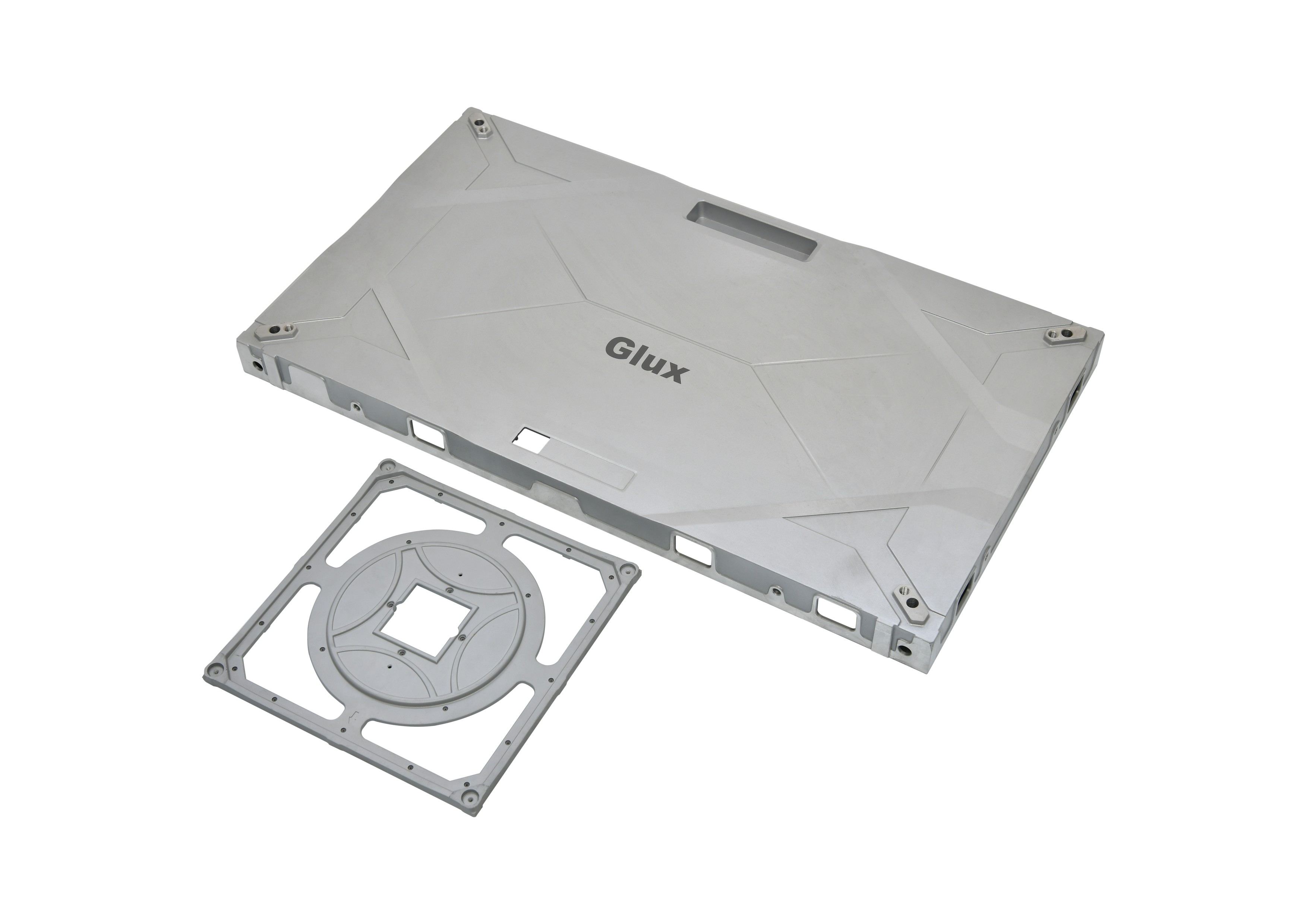
CNC milling is a subtractive manufacturing process where a rotating cutting tool removes material from a stationary workpiece to create the desired shape. Milling machines can move the cutting tool along multiple axes to cut flat, curved, or intricate surfaces.
The workpiece remains fixed while the cutting tool moves.
Multi-axis machines, including 5 axis CNC mills, allow machining from multiple angles in a single setup.
Ideal for complex geometries, pockets, slots, and contoured surfaces.
Vertical Milling Machines: The spindle is oriented vertically.
Horizontal Machining Centers: The spindle is horizontal, ideal for deep cavities and heavier workpieces.
5 Axis CNC Milling Machines: Provide simultaneous movement along five axes, allowing highly complex and precise parts in aerospace, medical, and automotive industries.
CNC milling is widely used for producing:
Engine components
Aerospace parts
Molds and dies
Industrial machinery parts
Professional CNC milling service providers use both horizontal machining centers and advanced 5-axis CNC machines to deliver precision and efficiency.
CNC turning is another subtractive process where the workpiece rotates around a fixed axis while a stationary cutting tool removes material. This process is ideal for producing cylindrical or rotational parts.
The workpiece spins while the cutting tool remains stationary.
Produces round, tubular, or symmetrical components with high accuracy.
Often used for shafts, pins, rings, and threaded components.
CNC Lathes: Standard machines for turning operations.
Multi-axis Lathes: Allow milling, drilling, and other secondary operations on a single machine setup.
CNC turning is commonly used for:
Automotive engine components (shafts, pistons)
Aerospace cylindrical parts
Hydraulic and pneumatic fittings
Custom mechanical components
| Feature | CNC Milling | CNC Turning |
|---|---|---|
| Operation | Cutting tool rotates, workpiece stationary | Workpiece rotates, cutting tool stationary |
| Geometry | Complex 2D/3D shapes, pockets, slots, contours | Cylindrical or symmetrical shapes |
| Machines | Vertical mills, horizontal machining centers, 5-axis CNC milling machines | CNC lathes, multi-axis lathes |
| Typical Parts | Engine blocks, molds, brackets, contoured parts | Shafts, pins, bushings, cylindrical fittings |
| Complexity | Can handle highly complex surfaces with custom CNC milling | Limited to rotational geometries |
| Multi-axis Capability | 3-axis, 4-axis, 5-axis CNC milling | Mainly 2-axis; some multi-axis lathes available |
| Best Use Case | Flat, contoured, and irregular shapes | Round or tubular components |
Understanding these differences is crucial for choosing the right CNC machining services for your project. For instance, parts requiring complex pockets and intricate surfaces are best handled with a 5 axis CNC mill, whereas cylindrical shafts or bushings are most efficiently produced on a CNC lathe.
Versatility: Can create flat, curved, and irregular shapes.
Precision: Especially with 5 Axis CNC Machining services, even the most complex geometries are achievable.
Material Options: Works with metals, plastics, composites, and more.
Efficiency for Small Runs: Ideal for custom CNC milling projects.
Reduced Setup Time: Multi-axis machines can complete complex parts in a single setup, reducing errors and improving consistency.
Ideal for Cylindrical Parts: Shafts, pins, and rings can be produced accurately.
High Surface Finish: Spinning workpiece allows smooth, polished surfaces.
High-Speed Production: Rotational motion enables faster material removal for round parts.
Cost-Efficient for Rotational Components: CNC turning is often faster and cheaper than milling for cylindrical parts.
Some modern machines combine milling and turning operations in a single setup. Multi-function CNC machines allow manufacturers to complete complex parts without transferring the workpiece between machines, reducing error and saving time.
Professional CNC milling service providers often offer hybrid capabilities to provide complete solutions for complex assemblies and high-precision components.
Custom CNC milling is essential when standard machining processes cannot meet design specifications. Whether it’s a prototype or low-volume production, custom CNC milling ensures that parts meet exact dimensions and tolerances.
5 axis CNC milling machines offer the following benefits:
Machining complex geometries in a single setup
Reducing the need for secondary operations
Improving surface finish and accuracy
5 axis CNC machining services are widely used in aerospace, automotive, medical, and mold-making industries where precision and complexity are critical.
When deciding between milling and turning, consider:
Part Geometry: Cylindrical or rotational parts → Turning; Complex shapes → Milling
Material: Some materials are better suited to milling or turning depending on hardness and machinability
Quantity: CNC turning may be faster for high-volume cylindrical parts; milling is ideal for small to medium volumes with complex geometry
Tolerance and Surface Finish: High-precision projects often require multi-axis CNC milling or hybrid machining
A professional CNC machining service can guide you in choosing the optimal process for your design and production requirements.
Aerospace components: turbine housings, structural brackets
Automotive parts: engine blocks, mounts, and custom brackets
Medical devices: surgical instruments and implant molds
Industrial tooling: dies, molds, and custom jigs
Shafts, pins, and rings for automotive and industrial applications
Hydraulic and pneumatic fittings
Fasteners and threaded components
Cylindrical aerospace parts
CNC milling and CNC turning are both fundamental processes in modern manufacturing. While CNC milling services excel at creating complex, irregular, and contoured parts using tools like 5 axis CNC mills and horizontal machining centers, CNC turning is the preferred choice for cylindrical and rotational components.
For businesses and designers looking for custom CNC milling, 5 axis CNC machining services, or precision components, understanding the differences between these two processes is crucial. By leveraging the right CNC technology, manufacturers can achieve the highest precision, efficiency, and repeatability, whether for prototypes, low-volume custom parts, or full-scale production.
Choosing the right CNC milling service or turning operation ensures that your designs are translated into high-quality, functional parts with minimal errors, maximum efficiency, and long-term reliability.