

Blog

2025-12-09 16:27:00
Whether you’re designing a prototype, building machinery, or manufacturing precision components, you will eventually face a key question: How do you get parts machined efficiently, accurately, and cost-effectively?
The world of CNC Machining can feel complicated, but once you understand the process—from design to production—you can easily source machined parts that meet your exact requirements.
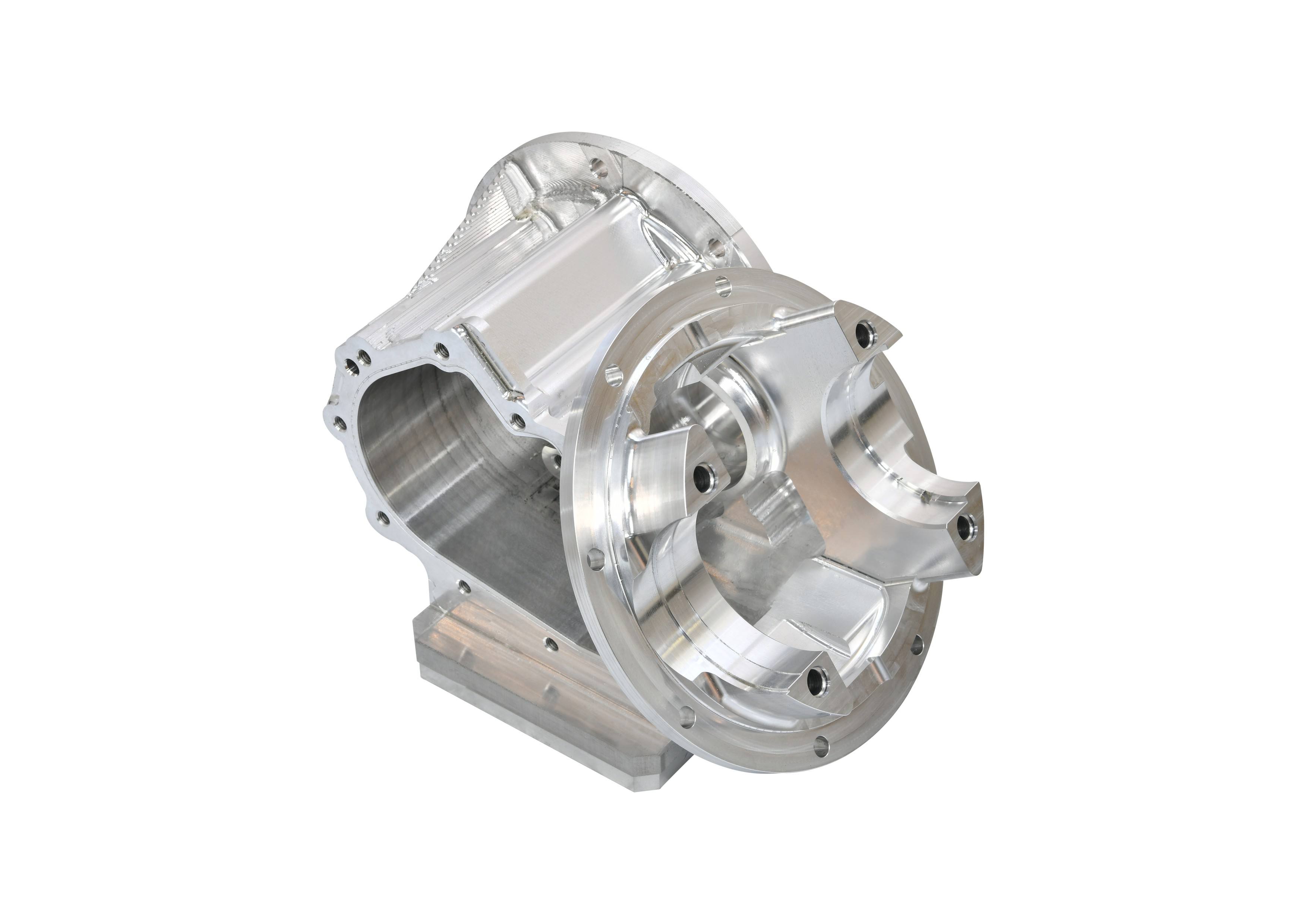
Machining refers to removing material from a workpiece to create a final shape. This can involve drilling, milling, turning, routing, or grinding. Today, most manufacturers use CNC (Computer Numerical Control) systems to achieve high precision and repeatability.
When you “get parts machined,” you are essentially requesting a manufacturer to produce custom machined parts based on your drawings or 3D models. These parts can be made from metals, plastics, or composites depending on their application.
Common examples include:
Automotive and motorcycle components
Robotics and automation parts
Aerospace brackets and housings
Medical precision tools
Consumer electronics frames
Architectural hardware
Whether you need 10 prototypes or 10,000 units, modern CNC workshops can produce reliable machined parts with excellent consistency.
To get any custom part manufactured, you must start with a clear technical design. Manufacturers rely on two main formats:
These documents specify:
Dimensions
Tolerances
Threads
Surface finishes
Materials
Most shops prefer 3D models for complex items like 5 axis machined parts, as they help visualize undercuts, curves, and complex geometry.
Supported file formats usually include:
STEP (.step) • IGES (.iges) • STP (.stp) • CAD (.cad)
If you don’t have engineering drawings, many suppliers can help convert sketches into CAD files, especially for custom CNC parts or prototype development.
Choosing the correct material is essential because it affects durability, cost, and machining performance.
Aluminum: Lightweight and easy to machine; ideal for CNC aluminum parts like brackets or housings.
Steel: Strong and durable; used for CNC metal parts requiring high strength.
Stainless Steel: Corrosion resistant, ideal for medical and food applications.
Brass & Copper: Excellent electrical conductivity.
ABS
POM
Nylon
PTFE
Acrylic
These materials are suitable for lightweight CNC router parts or electronic components.
If you’re unsure, ask your manufacturer to recommend a material based on your final use, environment, and budget.
Knowing the right machining method helps you communicate effectively with suppliers and reduce costs.
This is the most common technique used to create Precision CNC Machining Parts with flats, slots, pockets, and complex geometry.
When to choose milling:
Prototyping
Housing and brackets
Mechanical components
Used for cylindrical parts like shafts, rods, and bushings.
Ideal for:
Axles
Pins
Precision rings
Primarily used for softer materials such as wood, plastics, and composites.
Common applications include CNC router parts, signage, and lightweight structural components.
This is the most advanced machining method, allowing movement in five directions simultaneously.
Best for:
Complex aerospace components
Multi-sided machining
Curved surfaces
Mold cavities
Precision 5 axis machined parts
5-axis machining is ideal when you need exceptional accuracy, fewer setups, and complex geometry.
Choosing the right manufacturing partner determines the quality, lead time, and overall success of your project.
Here’s what to look for:
A supplier must understand your industry. For example:
Auto parts require tight tolerances
Robotics parts need precision
Aerospace components may need 5-axis capabilities
If you need CNC aluminum parts for drones or electronics, find a shop specializing in aluminum machining.
A good supplier should handle:
Prototyping
Batch production
Post-processing
Inspection and quality control
Manufacturers offering custom machined parts typically have a wide range of equipment to meet different needs.
While not always necessary, certifications like ISO 9001 indicate consistent quality control.
You want a supplier who can:
Optimize your design for manufacturability
Suggest cost-saving improvements
Provide tolerance advice
This is crucial for complex custom CNC parts and precision CNC metal parts.
This step is where you officially begin the production process. Your quote request should include:
The more details you provide, the faster your supplier can quote.
A typical CNC machining quote includes:
Material cost
Machining time
Setup time
Post-processing
Inspection
Packaging
Shipping
A simple bracket may be affordable, while complex 5 axis machined parts require advanced machines and longer cycle times, increasing costs.
Before committing to large quantities, produce a sample.
This helps you confirm:
Tolerance accuracy
Structural integrity
Fit and compatibility
Surface finish
Design flaws
Prototyping is especially important for custom CNC parts that will be assembled with other components.
Once you approve the prototype, the manufacturer begins batch production.
During this stage, they follow standard processes to ensure all CNC machining parts match the approved sample.
Production includes:
CNC programming
Material preparation
Machining
Deburring and cleaning
Surface finishing
Final quality inspection
This ensures consistent and high-quality machined parts across every batch.
Surface finishing improves durability, appearance, and corrosion resistance.
Common finishes include:
Anodizing
Sandblasting
Powder coating
Electroplating
Polishing
Black oxide
UV coating
Painting
Texturing
Your supplier can recommend finishes based on performance requirements.
Quality control ensures each part meets your specifications.
Most manufacturers check:
Dimensions
Surface finish
Tolerances
Thread accuracy
Flatness / roundness
For advanced custom machined parts, CMM (Coordinate Measuring Machine) inspection is often required.
Complex 5 axis machined parts cost more because they require advanced machines.
Common materials for CNC aluminum parts and CNC metal parts are cheaper and easier to source.
Higher volume reduces cost per piece.
Many parts can work well without ultra-high precision.
Fewer setups = lower cost.
CNC machining remains one of the most versatile manufacturing methods because it provides:
This makes it perfect for producing custom CNC parts, intricate prototypes, durable CNC metal parts, and precision CNC router parts.
Getting parts machined may seem complex at first, but once you understand the process, it becomes straightforward:
Start with a detailed design
Choose the right material
Select the appropriate machining method
Find a qualified supplier
Request and review quotes
Test with a prototype
Approve and begin production
Whether you need simple brackets or advanced 5 axis machined parts, CNC machining allows you to transform ideas into precise, functional, and high-quality custom components. Today’s manufacturing capabilities make it easier than ever to order reliable machined parts, from CNC aluminum parts to heavy-duty CNC metal parts and intricate custom machined parts tailored exactly to your needs.