

Blog


2025-11-25 10:37:16
A CNC machine, short for Computer Numerical Control machine, is a computer-controlled manufacturing tool that shapes, cuts, drills, mills, engraves, or processes materials based on programmed instructions. Through advanced automation, CNC machines transform digital designs into real-world products with exceptional accuracy.
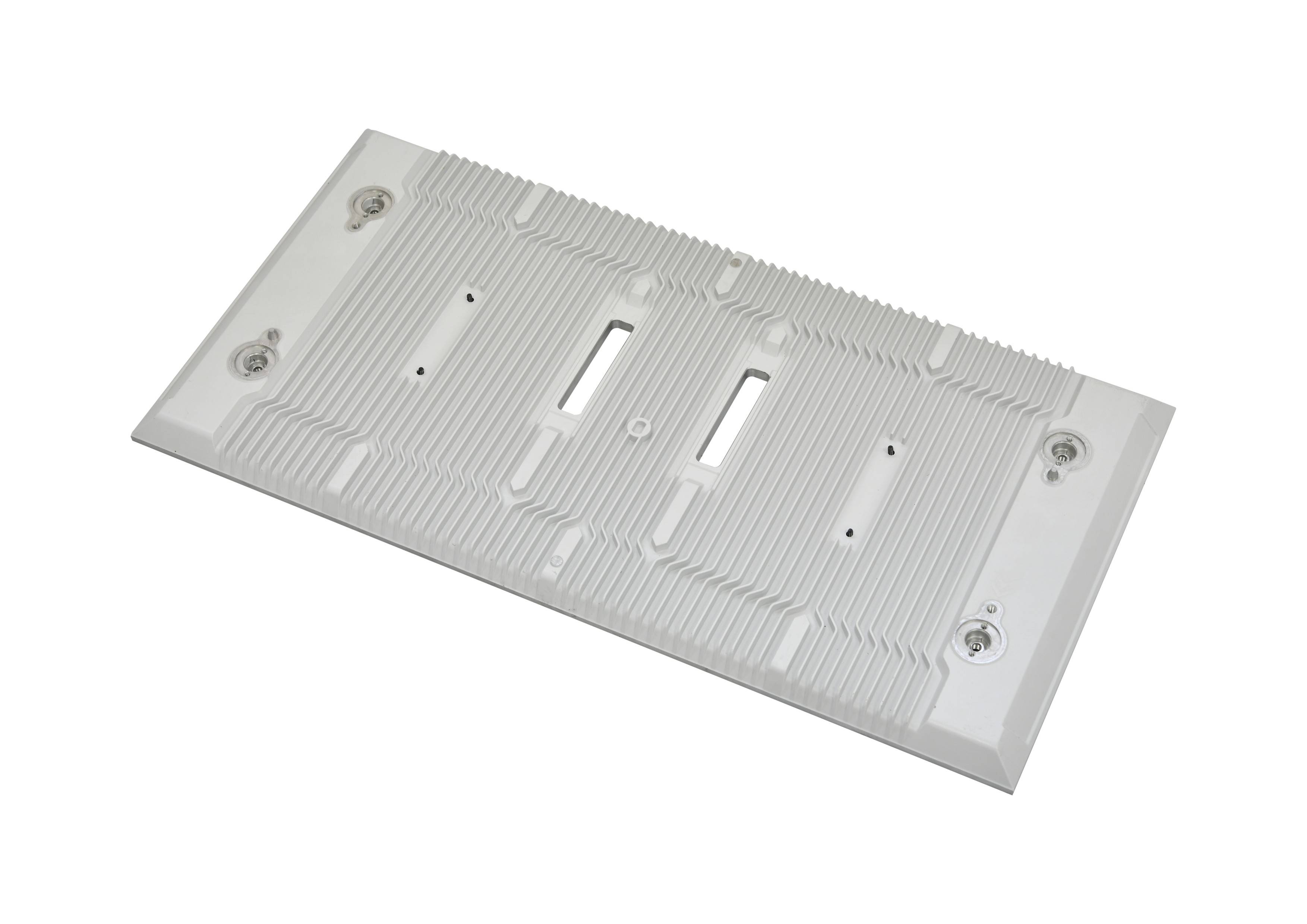
A CNC machine performs machining operations automatically by executing commands encoded in a digital program. Unlike manual machines that require a human operator to guide tools, CNC machines move cutting tools with incredible precision based solely on programmed instructions.
In simple terms, a CNC machine removes material from a workpiece to create a desired shape.
Cutting
Milling
Drilling
Boring
Engraving
Routing
Turning
Grinding
Tapping
Pocketing
Contouring
By combining multiple functions, CNC machines are capable of producing both simple and highly complex components—something nearly impossible through manual machining.
Because of this capability, companies often outsource production to professional cnc services to achieve maximum quality and efficiency.
CNC Machining follows a precise workflow. Here is how it typically works:
The process begins with creating a 2D or 3D model using CAD (Computer-Aided Design) software.
CAM (Computer-Aided Manufacturing) software converts the design into G-code or numerical commands that the CNC machine can read.
The workpiece material—metal, wood, plastic, or composite—is fixed into the machine.
The machine follows the programmed path and performs cutting, drilling, or milling operations automatically.
After machining, the part is measured using precision tools to ensure accuracy.
This entire process eliminates human error, delivers repeatable results, and dramatically accelerates production—key reasons why cnc manufacturing service is widely used today.
Different CNC machines perform different tasks depending on the manufacturing needs. Here are the most commonly used types:
A cnc milling machine uses rotary cutting tools to remove material. It moves along multiple axes—typically X, Y, and Z—to create complex geometries.
Create precise holes
Cut slots, pockets, contours
Machine flat and curved surfaces
Produce complex 3D shapes
Make molds and dies
Manufacture mechanical components
Industries such as aerospace, medical, and automotive rely heavily on CNC milling for high-precision aluminum, steel, titanium, and plastic components.
A cnc router machine is similar to a milling machine but is commonly used for softer materials such as:
Wood
Acrylic
Plastics
MDF
Foam
Soft metals
Engrave signs
Cut furniture parts
Create decorative patterns
Make prototypes
Produce architectural models
CNC routers are popular in woodworking, sign-making, exhibit design, and furniture manufacturing. Their high speed and ability to cut large sheets make them essential for mass production.
A CNC lathe rotates the workpiece while a cutting tool shapes the material. It is ideal for cylindrical parts such as:
Shafts
Bushings
Threaded components
Fittings
Pins
Turning machines deliver exceptional symmetry and surface finish.
Uses high-powered lasers to cut sheet metal, acrylic, wood, and more. Produces clean edges and supports extremely detailed patterns.
Uses ionized gas to cut thicker metals. Common in construction, industrial repair, and equipment manufacturing.
Used to achieve ultra-smooth surfaces and tight tolerances for precision machinery and tools.
Perfect for hard metals and intricate shapes, commonly used for molds, tools, and dies.
CNC machines revolutionize production because they offer unbeatable advantages:
CNC machines consistently achieve tolerances as tight as ±0.005 mm, essential for aerospace, automotive, and medical industries.
Once a program is loaded, machining runs automatically, allowing 24/7 production with minimal supervision.
Every part produced is identical—a huge advantage over manual machining.
CNC machines work with many materials:
Aluminum
Steel
Titanium
Brass
Copper
Plastics
Wood
Composites
They also support complex geometries and multi-stage machining without manual adjustments.
Automated machining reduces manpower, shortens lead time, and accelerates mass production—making outsourcing to cnc services both cost-effective and reliable.
CNC technology is used across almost every modern industry:
Turbine blades, engine parts, structural components.
Chassis parts, custom components, engine prototypes.
Heat sinks, enclosures, connectors.
Surgical tools, implants, precision housings.
Frames, gears, brackets.
Signage, decorative panels, customized designs via cnc router machine.
Injection molds, stamping dies, casting tools.
CNC is essential wherever accuracy and reliability matter.
Not every factory owns CNC equipment due to its high cost, technical requirements, and need for skilled programmers. That’s why many businesses outsource to a professional cnc manufacturing service provider.
Access to advanced multi-axis machines
Lower equipment investment
Faster production time
Professional engineering support
Better surface finishing
Higher quality control
Ability to scale from prototype to mass production
A reliable CNC partner ensures stable quality and helps companies optimize costs.
As technology evolves, CNC machines are becoming more intelligent. Trends include:
CNC machines connected to cloud systems for real-time monitoring.
AI adjusts cutting paths, speeds, and feeds for maximum efficiency.
CNC + 3D printing combined to produce parts faster and cheaper.
Allows manufacturing of extremely complex parts in one setup.
These advancements will push cnc services to new levels of precision and productivity.
CNC machines play a central role in modern manufacturing. They automate machining tasks with unmatched precision, speed, and reliability. Whether using a cnc milling machine for metal parts or a cnc router machine for wood and plastic, CNC technology enables manufacturers to create highly detailed, accurate products across countless industries.
Today, businesses increasingly rely on professional cnc manufacturing service providers to reduce cost, improve efficiency, and ensure consistent quality. As CNC technology continues to evolve, it will only become more powerful, more intelligent, and more essential to global production.